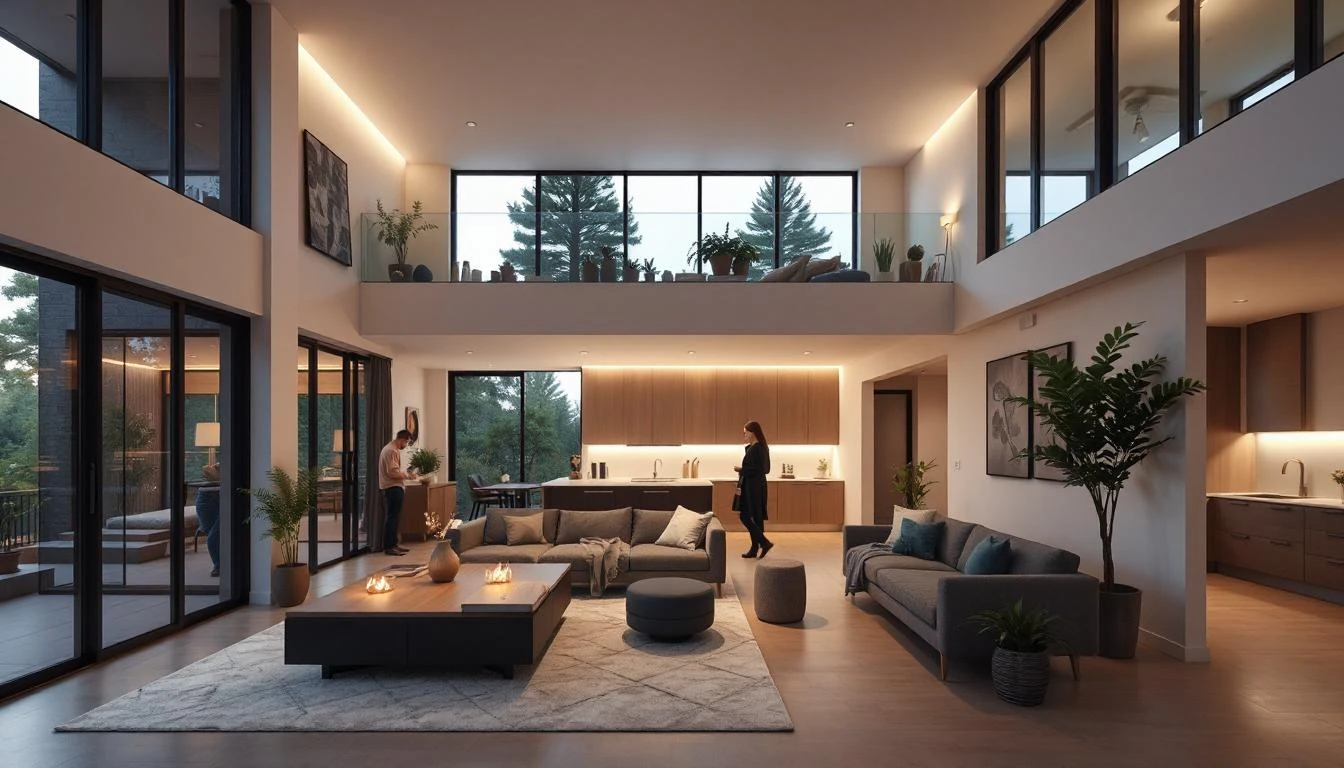
Modern Asian Lifestyle Trends in 2026
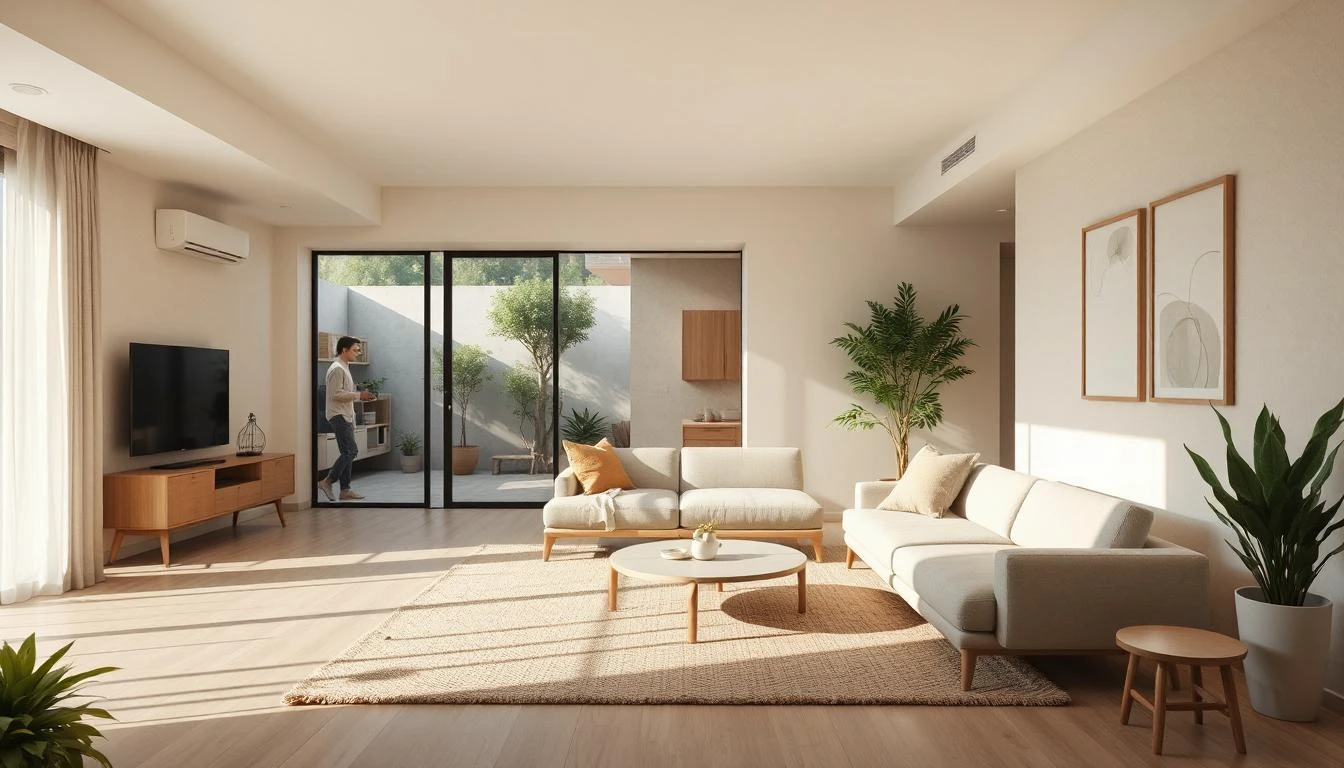
The world is shifting faster than most people can emotionally process. Cities across Asia are no longer just evolving, they are mutating into hyper-connected ecosystems where culture, technology, and commerce collide in real time. From Seoul’s AI-powered districts to Jakarta’s mobile-first marketplaces, everyday life is being rewritten in ways that feel both familiar and radically new.
This transformation is deeply visible in contemporary Asian culture, where tradition does not disappear but instead adapts, merges, and re-emerges inside digital platforms, social networks, and global marketplace systems that define how people live, buy, and interact.
Key Modern Lifestyle Shifts in Asia 2026
The modern Asian lifestyle is not changing in isolation; it is responding to a global recalibration of work, identity, and consumption. What once felt like separate cultural boundaries now blends into a continuous digital and physical experience that reshapes everyday decision-making.
urban lifestyle habits are evolving rapidly across metropolitan Asia, especially in cities where convenience, speed, and digital integration define survival. People are not just adapting to change, they are actively redesigning how life should function in a hyper-connected world.
Rise of digital first living culture
A major shift in contemporary Asian culture is the dominance of digital-first living. Super-app ecosystems now control transportation, shopping, food delivery, and financial services in one interface. This reflects a broader movement toward seamless digital dependency where physical and digital realities merge. Long-tail insight: how digital-first ecosystems are redefining urban living in Asia 2026 is no longer theoretical, it is daily reality for millions.
Minimalist and practical lifestyle adoption
Minimalism in Asia is not aesthetic anymore, it is strategic. Rising costs of living and information overload are pushing individuals toward simplified consumption. This shift in urban lifestyle habits reflects a deeper psychological adjustment: people are choosing clarity over excess, functionality over accumulation, and digital efficiency over physical clutter.
Growing focus on health and balance
Health has become a central currency in modern Asian society. Wearable tech, mental wellness apps, and bio-tracking systems are now embedded into daily routines. In contemporary Asian culture, balance is no longer optional, it is a productivity strategy. As Dr. Kenji Watanabe, a Tokyo-based behavioral researcher, states: “The modern Asian lifestyle is no longer about working harder, but about optimizing human sustainability in a digital environment.”
Technology Influence on Daily Asian Life
Technology is not just influencing Asia, it is structuring it. Every layer of daily life, from communication to commerce, is now mediated through intelligent systems that anticipate needs before they are expressed.
urban lifestyle habits are increasingly shaped by algorithmic convenience, where decisions are influenced by predictive systems rather than manual choice. This creates a lifestyle loop where digital tools quietly guide human behavior.
AI integration in everyday activities
Artificial intelligence has become invisible infrastructure in contemporary Asian culture. From AI shopping assistants to automated healthcare diagnostics, life is increasingly managed by predictive intelligence. Long-tail keyword: AI-powered daily lifestyle transformation in Asian cities 2026 highlights how deeply embedded automation has become in routine decision-making.
Smart devices shaping urban lifestyles
Smart homes, IoT ecosystems, and wearable technologies are redefining comfort. Lights adjust automatically, appliances communicate with each other, and cities optimize traffic through real-time data systems. This evolution of urban lifestyle habits creates a frictionless environment where efficiency becomes the default expectation.
Digital platforms dominating social interaction
Social life has shifted almost entirely into digital ecosystems. In contemporary Asian culture, friendships, communities, and even professional networks are increasingly formed through platform-based interactions. Influencer-driven marketplaces and social commerce systems blur the line between communication and transaction, creating a unified digital social economy.
Cultural Evolution Across Asian Society
Cultural identity in Asia is undergoing a complex transformation where tradition is not being replaced but reinterpreted through digital lenses. This creates a layered cultural experience that is both ancient and futuristic at the same time.
urban lifestyle habits now include hybrid cultural expressions, where digital engagement coexists with traditional rituals, festivals, and community structures that remain deeply respected across generations.
Fusion of traditional and modern values
In contemporary Asian culture, traditional philosophies such as mindfulness and collective harmony are merging with modern entrepreneurial mindsets. This fusion creates a unique identity where cultural preservation and innovation exist side by side without contradiction.
Rise of online communities and influencers
Digital communities are becoming cultural authorities. Influencers now shape consumption, opinions, and even lifestyle aspirations. As media sociologist Dr. Lina Hartono explains: “Influence in Asia is no longer centralized, it is distributed across digital micro-communities that redefine trust in real time.” This reflects the expansion of social commerce Asia trends across regional markets.
Changing work culture and lifestyle priorities
Work culture is shifting from stability to flexibility. Remote work, gig platforms, and freelance ecosystems are now dominant forces in contemporary Asian culture. People are prioritizing autonomy, mobility, and purpose-driven careers, signaling a long-term restructuring of professional identity.
Start Adopting Modern Asian Lifestyle Trends in 2026 Today
The evolution of contemporary Asian culture is not something happening in the background, it is actively shaping how you interact with the world every day. If you are paying attention, you will notice that your choices, habits, and even aspirations are increasingly influenced by digital ecosystems and shifting cultural expectations. This is where awareness becomes advantage, and adaptation becomes essential.
If you step into this transformation consciously, you begin to see how urban lifestyle habits are no longer just personal routines but part of a larger global system of interconnected behavior. The question is not whether change is coming, it is how prepared you are to move with it.
As Professor Michael Tanaka from the Asian Institute of Digital Sociology notes: “Asia is not following global digital evolution, it is actively defining the blueprint for it.” That perspective reframes everything: you are not observing a trend, you are living inside its formation.