
Cultural Shifts Reshaping Daily Life in 2026
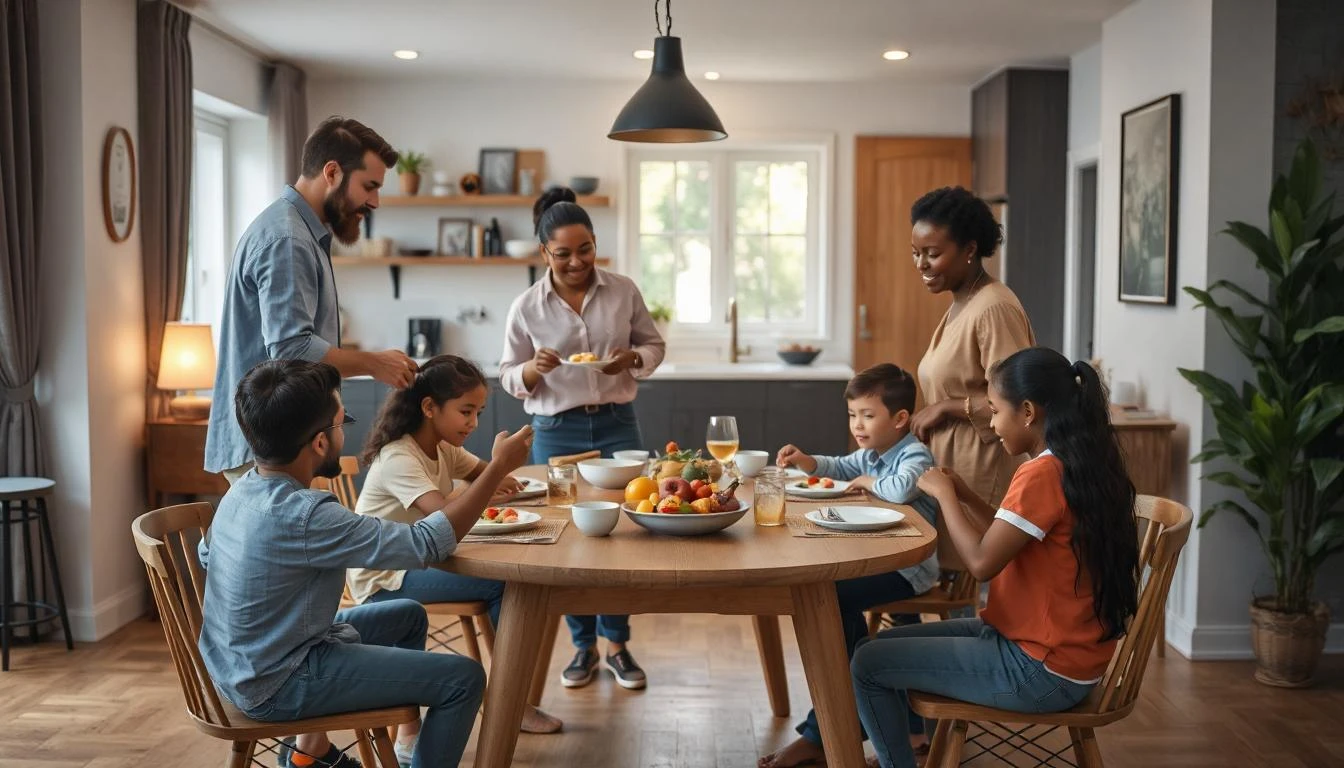
Modern society is undergoing a profound cultural recalibration. What used to be local and stable is now global and fluid, shaped by constant digital influence and cross-border interaction.
The rise of evolving social behaviors is redefining how communities interpret tradition, identity, and modern living in real time.
At the same time, the global marketplace transformation 2026 is merging culture and commerce into a single ecosystem where decisions are influenced by both emotion and algorithmic personalization.
Globalization influencing local traditions
Globalization is no longer a distant concept, it is embedded in everyday life. Cultural blending now happens instantly through media, travel, and commerce, creating hybrid identities that feel both local and global. According to cultural researcher Dr. Manuel Castells, “Networks dissolve distance, but intensify cultural hybridity,” which perfectly reflects today’s interconnected world.
At the same time, generational preferences are shifting toward diversity and cultural openness, making cross-cultural experiences a daily norm rather than a novelty.
Digital culture reshaping social behavior
Digital platforms now function as cultural architects, shaping how individuals perceive reality and interact socially. Algorithms curate not only content but also belief systems and consumption habits.
The rise of digital-first lifestyle patterns and algorithm-driven engagement ecosystems has made online presence more influential than physical interaction in many contexts.
Shift in lifestyle values and identity
Identity is no longer fixed, it evolves continuously based on exposure, community, and digital expression. People are increasingly building fluid identities that adapt to different environments.
As sociologist Zygmunt Bauman once noted, “Identity becomes a task, not a given,” which resonates strongly with today’s identity fluidity in digital culture.
Cultural Shifts Reshaping Daily Life in 2026
The world is no longer changing in slow motion, it is accelerating in unpredictable bursts, reshaping how people think, interact, and make decisions every single day. From digital ecosystems to global marketplaces, everything feels interconnected in ways that were unimaginable a decade ago.
What stands at the core of this transformation is evolving social behaviors, where human interaction is continuously reshaped by technology, cultural exchange, and shifting global values. This shift is not abstract anymore, it is visible in how people shop, communicate, work, and even define identity.
Modern Communication and Social Change
Communication in 2026 has become faster, shorter, and more symbolic. Meaning is often conveyed through visuals, reactions, and rapid digital interactions rather than long conversations.
This transformation is deeply tied to evolving social behaviors, where communication is no longer just exchange, it is expression of identity.
The expansion of the global digital marketplace ecosystem also reinforces how communication and commerce now operate in the same space.
Rise of social media driven culture
Social media has become the dominant cultural force, shaping trends, opinions, and even emotional responses. Virality now determines relevance.
The growth of short-form video ecosystems and attention-based engagement models has changed how people process information and form opinions.
Online communities replacing traditional interaction
Communities are no longer limited by geography. People now gather based on shared interests rather than physical proximity.
This shift reflects virtual community expansion trends and interest-based digital ecosystems, where belonging is defined by connection rather than location.
Fast paced information consumption
Information flows rapidly, often consumed in seconds. Depth is replaced by speed, and context is reconstructed by users themselves.
This behavior is driven by micro-content consumption habits and real-time information processing culture, reshaping attention spans globally.
Work Culture and Lifestyle Evolution
Work in 2026 is no longer a fixed structure, it is a flexible ecosystem shaped by autonomy, technology, and lifestyle priorities.
These shifts are directly influenced by evolving social behaviors, where productivity is redefined through freedom and adaptability.
The global marketplace digital evolution also plays a role in enabling borderless work opportunities.
Remote and hybrid work adoption
Work is now location-independent. Offices exist as optional spaces rather than mandatory environments.
This is driven by hybrid work transformation models and remote-first professional ecosystems, enabling global collaboration without physical boundaries.
Focus on flexibility and freedom
Flexibility has become a core expectation rather than a benefit. People prioritize control over time and environment.
This reflects work-life integration trends and freedom-centered career structures that redefine professional success.
Changing career expectations among youth
Younger generations prioritize meaning, creativity, and autonomy over long-term corporate stability.
As economist Richard Florida stated, “The creative class values autonomy over hierarchy,” which aligns with the rise of gig economy expansion and skill-based career mobility.
Embrace Cultural Change and Adapt to Modern Living
Cultural transformation in 2026 is not slowing down, it is intensifying. The ability to adapt has become a defining skill in a world shaped by constant digital and social evolution.
Understanding evolving social behaviors allows individuals to navigate complexity with greater awareness, especially in a world where the global marketplace integration with digital culture is becoming seamless.
Adaptation is no longer optional, it is the foundation of relevance in modern life.